- Home
-
About us
About us
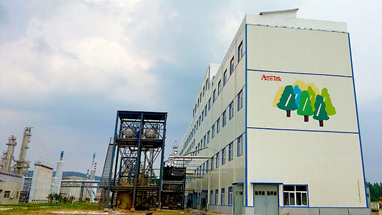
Lead a Green Life, Optimize the Natural Environment
- Organization
-
Sustainability
Sustainability
Attach great importance to investor relations management and effectively safeguard the legitimate rights and interests of investors
-
Products
Products
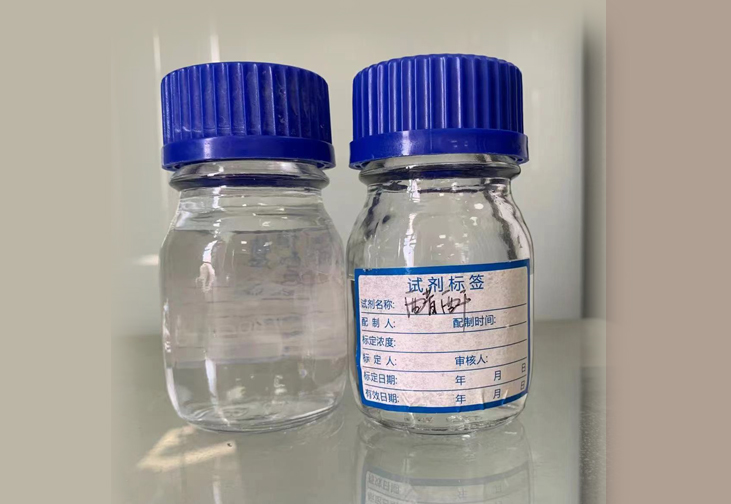
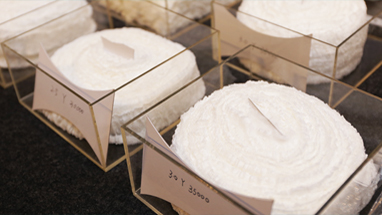
Our company's main business is the research, development, production and sales of acetic anhydride, cellulose diacetate, cellulose diacetate filaments, cellulose diacetate tows, cellulose acetate granule and other related products, which are mainly used in filtration effects.
- News
-
Careers

Careers
We strive to build a platform for outstanding talents to fulfill their life dreams at Jinan Nature.
- Contact us